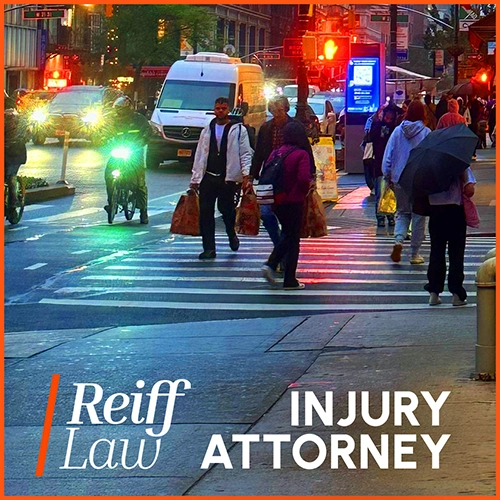

What to Do When You’ve Been Injured – A Step-by-Step Guide to Protect Your Health and Your Legal Rights
An unexpected injury can turn your life upside down in seconds. Whether it happens in a car accident, a slip and fall, at work, or because of someone else’s negligence, what you do in the hours and days after the incident can have a major impact on your recovery and on your ability to receive fair compensation.
This guide covers the most important steps to take after an injury so you can protect both your health and your legal rights.
1. Get Medical Attention Immediately
Your health comes first. Even if you believe your injuries are minor, seek medical care as soon as possible. Some injuries, including concussions, internal injuries, and soft-tissue damage, may not show symptoms right away.
From a legal standpoint, medical records also help connect your injuries to the incident. Delays in treatment can be used by insurance companies to argue that your injuries are not serious or not related to the accident.
2. Document the Accident and Your Injuries
If you are able, gather as much information as possible at the scene or shortly afterward. Evidence collected early can make a big difference later.
Helpful documentation can include photos or videos of the scene, photos of visible injuries, contact information for witnesses, names of drivers or property owners involved, and copies of incident or police reports.
3. Report the Incident to the Proper Authorities
Depending on where the injury occurred, you may need to formally report it. In a car accident, call the police and request a report. For workplace injuries, notify your employer immediately and follow any reporting procedures. If you were hurt on someone else’s property, report the incident to a manager, landlord, or property owner.
When reporting, keep your statements factual. Avoid guessing about what happened or admitting fault.
4. Be Cautious When Dealing With Insurance Companies
Insurance adjusters often reach out quickly, sometimes within hours. Their job is to limit the amount the insurance company pays, not to protect your interests.
Avoid giving recorded statements without legal guidance. Do not sign medical authorizations without understanding what information they allow the insurer to access. And be cautious about quick settlement offers, which may not cover the full cost of your injury and recovery.
5. Keep Records of Expenses and Lost Income
Injury cases often involve more than just medical bills. Keep track of all costs connected to your injury, including prescriptions, rehabilitation, transportation to appointments, and any assistive devices you need.
Also document missed work, reduced hours, or changes to your job duties. If your injury affects your ability to earn in the future, that can be an important part of a claim.
6. Watch What You Post on Social Media
Insurance companies and defense lawyers may look at social media accounts. Even harmless posts can be taken out of context to argue that you are not as injured as you claim.
As a precaution, avoid posting about the accident, your injuries, or activities that could be misinterpreted while your claim is pending.
7. Talk to a Personal Injury Attorney as Soon as Possible
If your injury was caused by someone else’s negligence, speaking with an experienced personal injury attorney can help protect your rights and your potential claim. An attorney can investigate what happened, preserve evidence, calculate the full value of your damages, and handle communications and negotiations with insurers.
Many personal injury cases are handled on a contingency fee basis, meaning you do not pay attorney’s fees unless compensation is recovered.
Why Acting Quickly Matters
Personal injury cases are subject to strict legal deadlines, often called statutes of limitations. Waiting too long can result in lost evidence or losing your ability to file a claim at all. Acting promptly helps protect your health and your legal options.
How Reiff Law Can Help
At Reiff Law, we help injured people navigate the legal process and pursue fair compensation for medical bills, lost income, and pain and suffering. If you or a loved one has been injured due to negligence, we can help you understand your options and next steps.

Related Resources
- About Devon Reiff (Trial background and publications)
- Case Results (Selected outcomes and courtroom experience)
- Traumatic Brain Injury (High-stakes trial issues)
- Construction Accidents (Serious injury litigation)
- Vehicle & Pedestrian Accidents (Liability disputes and trial proof)